BIC Tip #1064: Practice Safe Contracts
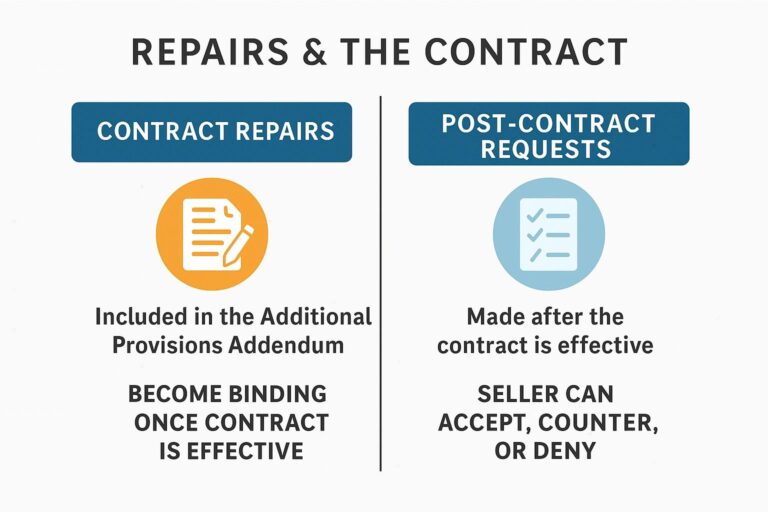
When it comes to real estate transactions, oral promises don’t hold up in North Carolina. This is especially true when it comes to post-closing repairs.
Oral Agreements Don’t Survive Closing
The North Carolina Court of Appeals has made it clear: oral agreements for post-closing repairs are not enforceable. If a seller verbally promises to fix something after the deal is done, the buyer has no legal way to enforce that promise.
This can create major headaches when expectations don’t match reality. A buyer may assume the seller will follow through, but without documentation, there’s nothing binding to rely on.
Put It in Writing
If repairs are intended to survive closing, they must be spelled out in a separately drafted, written agreement. This protects both sides:
- Buyers gain confidence that promised work will actually be completed.
- Sellers have clarity on their responsibilities and timelines.
- Brokers protect themselves and their firms from disputes or claims of misrepresentation.
Why This Matters for Brokers
As a broker-in-charge, part of your job is to help your team practice safe contracts. That means reinforcing the rule: “If it isn’t in writing, it doesn’t exist.” Encouraging clear, written agreements reduces risk, promotes trust, and ensures compliance with NCREC standards.
The Bottom Line
👉 Verbal promises may sound good in the moment, but they won’t stand up after closing. No paperwork = no protection. Always document repair agreements in writing if they are meant to survive the closing table.