BIC TIP #1127: Electronic Delivery of Due Diligence Fees
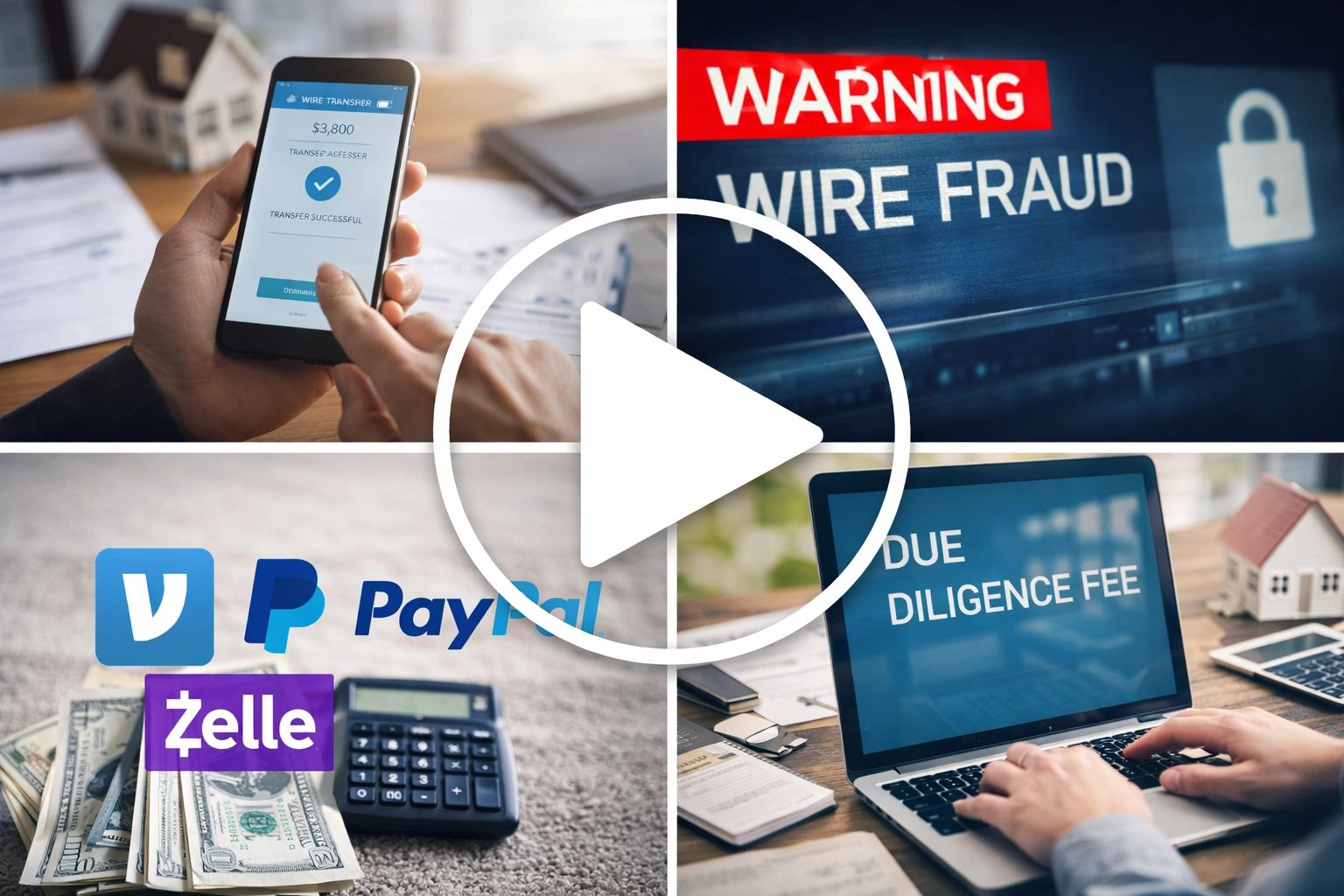
Electronic delivery of Due Diligence fees is permitted in North Carolina, but convenience does not replace compliance. Venmo, PayPal, Zelle, ACH transfers, and wires can all be used only if the parties agree and the broker manages the process correctly.
First, remember the rule that never changes: the Due Diligence fee is due on the date of contract. Electronic delivery does not extend the deadline, excuse delays, or cure a failure to deliver funds.
Second, seller consent matters. Electronic delivery is not automatic. The seller (or listing agent acting with authority) must agree to the method of delivery. A buyer cannot unilaterally decide to use Venmo or Zelle simply because it is convenient.
Third, documentation is not optional. Brokers must ensure there is a clear paper trail showing:
- The agreed method of delivery
- The amount sent
- The date sent
- The recipient
- Confirmation of receipt
Screenshots, transaction receipts, emails confirming delivery, and text confirmations should all be retained in the transaction file.
Fourth, wire fraud warnings are a broker duty, not a suggestion. Electronic payments create real risk. Brokers must warn clients about wire fraud schemes, spoofed emails, and last-minute changes to payment instructions. Buyers and sellers should be instructed to independently verify payment instructions using known phone numbers before sending funds.
Finally, brokers do not touch the money, but they absolutely touch the liability. Failure to explain risks, confirm consent, or document delivery can result in discipline even when funds eventually arrive.
Electronic delivery is acceptable. Sloppy delivery is not.