Why HOAs Are Material—and Why Buyers Should Review the Rules
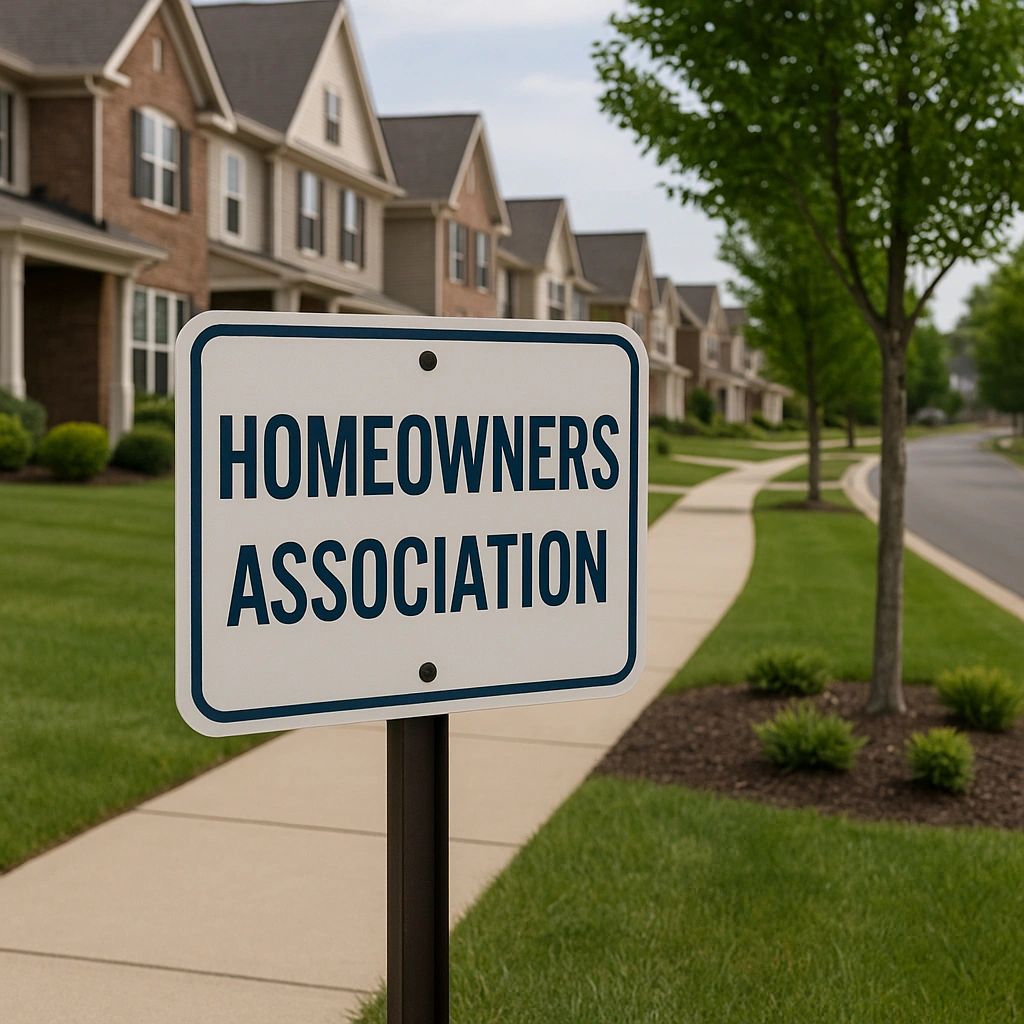
When buying real estate in North Carolina, one of the most important questions a buyer should ask is: “Is there a Homeowners Association (HOA)?”
Why HOA Existence Is Material
The simple existence of an HOA is a material fact for brokers to disclose. A homeowners association has the power to enforce rules, assess fees, and impact how you use your property. Whether you’re buying a condo, a townhouse, or a single-family home in a neighborhood with an HOA, this information can directly affect your rights and responsibilities as a homeowner.
Because of this, brokers must disclose if the property is subject to an HOA. Buyers deserve to know upfront whether their dream home also comes with HOA obligations.
Interpreting HOA Documents
While the existence of an HOA is material, interpreting the legal meaning of HOA documents is a different matter. These documents—Declarations of Covenants, Conditions, and Restrictions (CC&Rs), bylaws, and rules—are legal instruments. Understanding them often requires the expertise of an attorney, especially when it comes to:
- Restrictions on property use (parking, pets, rentals, exterior changes, etc.)
- The association’s authority to levy fines or special assessments
- The enforceability of certain covenants or amendments
As a broker, you can point out that HOA documents exist and encourage buyers to review them, but you cannot provide legal interpretation.
What Buyers Should Do
Before committing to a purchase, buyers should:
- Read all HOA documents carefully.
- Consult with an attorney if they have questions about interpretation or enforceability.
- Confirm the financial health of the HOA, including monthly dues, reserves, and any planned special assessments.
- Ask themselves: “Can I live with these rules, regulations, and fees?”
The Bottom Line
An HOA can shape everything from the color of your shutters to whether you can rent out your property. Buyers must understand that while the existence of the HOA must be disclosed, it’s their responsibility—with guidance from their attorney—to ensure the rules fit their lifestyle and long-term plans.
When in doubt, take the time to review, ask questions, and seek legal advice. The best time to discover an HOA conflict is before you close, not after.