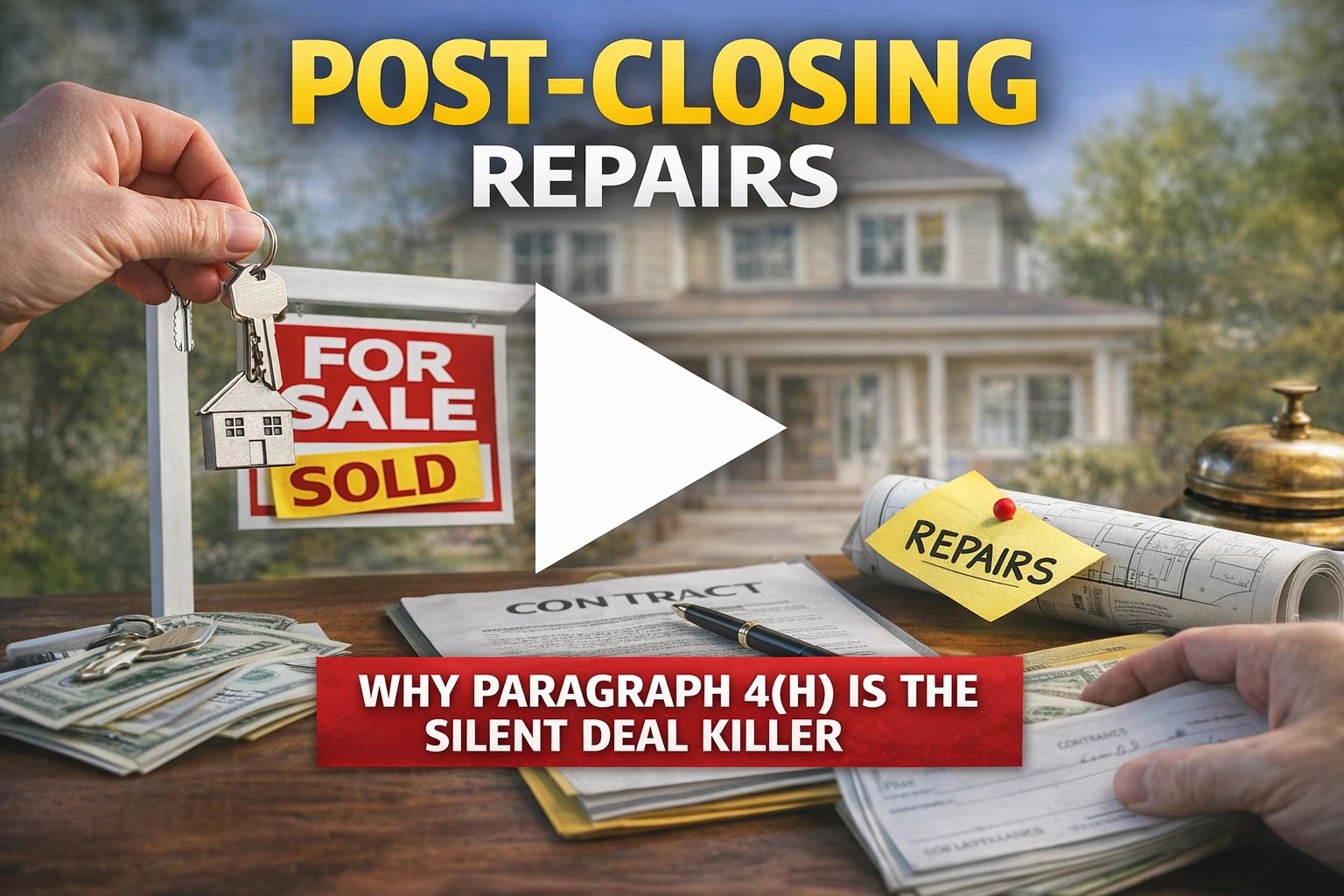
BIC TIP #1130: Post-Closing Repairs
One paragraph. One sentence in bold. And more blown-up deals and post-closing fights than almost anything else in the contract.
Meet Paragraph 4(h) of the Offer to Purchase and Contract.
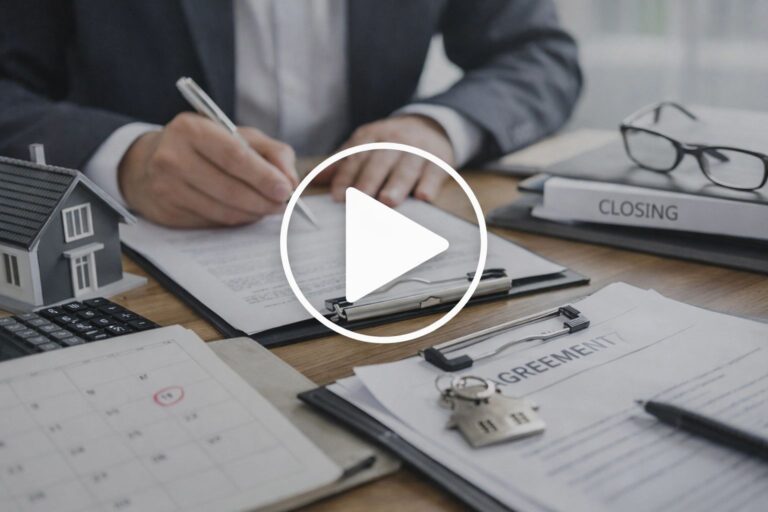
It states, clearly and loudly, that closing constitutes acceptance of the property in its then-existing condition unless otherwise agreed in writing. Translation: once you close, the deal is done.
Closing = Acceptance. Full Stop.
In North Carolina, the moment the deed records, the buyer has legally accepted the property. Any complaints about unfinished repairs, sloppy workmanship, or “we thought they were still going to fix that” become very hard to enforce after closing.
This is where brokers get caught off guard. Buyers assume repairs promised verbally or casually confirmed by text will survive closing. They do not.
Why Handshake Repair Promises Fail
Handshake deals, emails, and “the seller said they would handle it after closing” are not binding unless properly documented. Paragraph 4(h) wipes those assumptions out. If repairs are not completed before closing, or protected by a written legal agreement, the buyer’s leverage disappears.
Good intentions do not override contract language.
When Attorneys and Escrow Agreements Are Required
Any repair or obligation intended to occur after closing should trigger a red flag for brokers. This is attorney territory. Typically, that means:
- A written escrow agreement drafted by an attorney
- Funds held back at closing to ensure completion
- Clear deadlines and enforcement mechanisms
Brokers should never attempt to draft post-closing repair language themselves. That is how “helping” turns into liability.
The Practical Takeaway
If the buyer is not satisfied, they should not close. Closing cures defects and ends leverage. Paragraph 4(h) is not a technicality; it is the finish line.