BIC TIP #1113: Verification Matters When Assessing Material Facts
In North Carolina real estate transactions, determining whether an issue remains a material fact requires more than assumption or assurance. If a prior issue was fully repaired and a broker can reasonably verify that both the source of the problem and any resulting damage were properly corrected, the issue may no longer rise to the level of a material fact requiring disclosure.
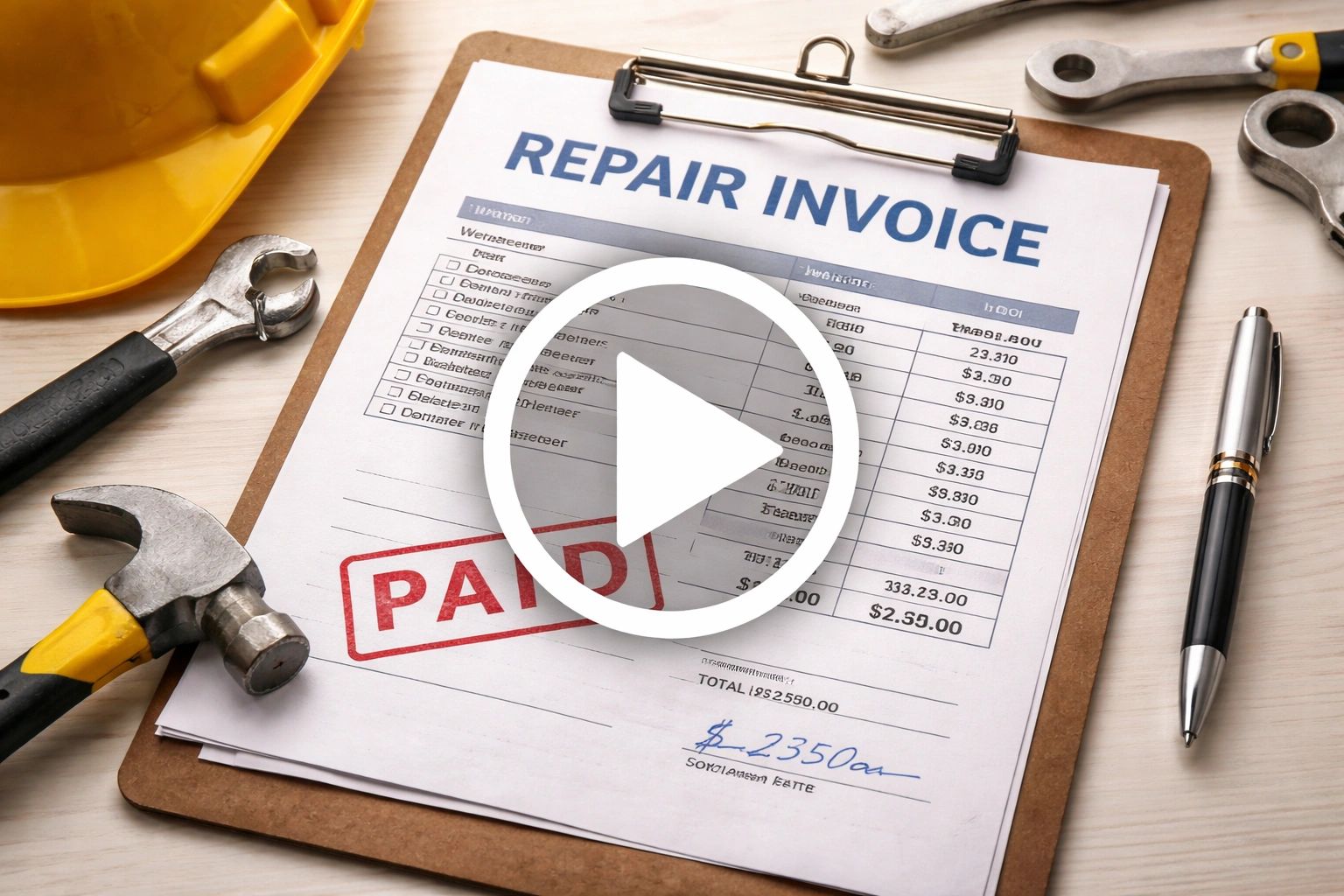
However, brokers must exercise caution. A broker cannot rely solely on the seller’s verbal representation that a problem was fixed. Reasonable verification is required. This may include reviewing paid invoices, contractor reports, permits, warranties, inspection reports, or other credible documentation confirming that the repair addressed the root cause and not merely the visible symptoms.
From a risk management and compliance standpoint, the key question is whether a reasonable broker would feel comfortable defending the decision not to disclose if later challenged. When verification is lacking or incomplete, the safer course is to disclose or recommend further evaluation.
Best practice is simple: trust, but verify. Proper documentation protects the broker, serves the client, and upholds the broker’s duty to avoid misrepresentation and material fact omissions.