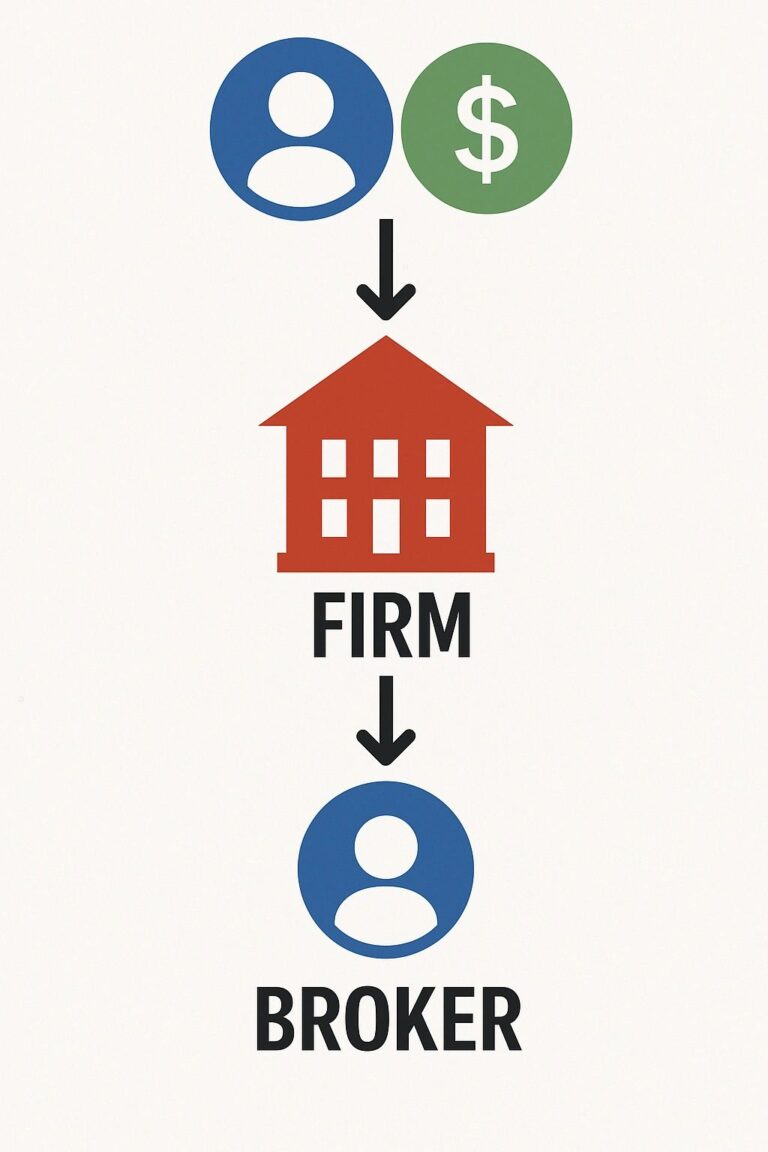
BIC Tip #1054: Understanding Due Diligence Fees in NC
Buying real estate in North Carolina comes with unique rules and procedures that every buyer should understand. One of the most important — and often most misunderstood — is the Due Diligence Fee.
What Is the Due Diligence Fee?
The Due Diligence Fee is a negotiated, non-refundable payment made directly to the seller when a buyer and seller sign the Offer to Purchase and Contract (Form 2-T). Think of it as the buyer’s way of showing commitment and compensating the seller for taking the property off the market during the investigation period.
If the transaction closes, the due diligence fee is credited back to the buyer at settlement. But if the buyer terminates the contract for any reason during the due diligence period, the seller keeps the fee.
What Does the Buyer Get in Return?
In exchange for paying the due diligence fee, the buyer receives the right to investigate the property during the due diligence period. This includes:
- Home inspections
- Termite and pest inspections
- Survey and appraisal
- Reviewing HOA documents and restrictions
- Securing financing approval
- Consulting with their attorney on title and closing
Importantly, the buyer can terminate the contract for any reason or no reason during this period — but the due diligence fee is not refunded.
How Much Is the Due Diligence Fee?
There’s no fixed amount. It’s negotiated between the buyer and seller and can vary widely depending on the property, market conditions, and how competitive the offer is. In hot markets, sellers often expect higher due diligence fees as a sign of serious commitment.
Why It Matters
- For Buyers: Know that the due diligence fee is money at risk. Don’t enter into a contract until you are serious about the property and ready to move forward with inspections quickly.
- For Sellers: The fee provides some security. Even if the buyer walks away, you’re compensated for taking your home off the market.
The Bottom Line
The Due Diligence Fee is a cornerstone of real estate contracts in North Carolina. It’s not just another deposit — it’s real money on the line. Buyers should understand the risk, budget accordingly, and use their due diligence period wisely to uncover any issues before moving forward.
When in doubt, talk to your real estate broker and attorney. Knowing how due diligence works can protect your wallet and your peace of mind.