BIC Tip #1066: Square Footage Rules
When buyers are making one of the biggest financial decisions of their lives, accurate square footage matters. As a broker in North Carolina, it’s your responsibility to ensure the numbers you present are correct — and that means you can’t just rely on what’s in the tax records or a set of blueprints.
Don’t Rely on Tax Records or Blueprints
While county tax records and builder blueprints are easy to access, they are not always reliable. Room additions, finished basements, or unpermitted spaces can create discrepancies. Passing along those numbers without verifying them can expose you — and your firm — to liability.
What You Should Do Instead
You’re expected to either:
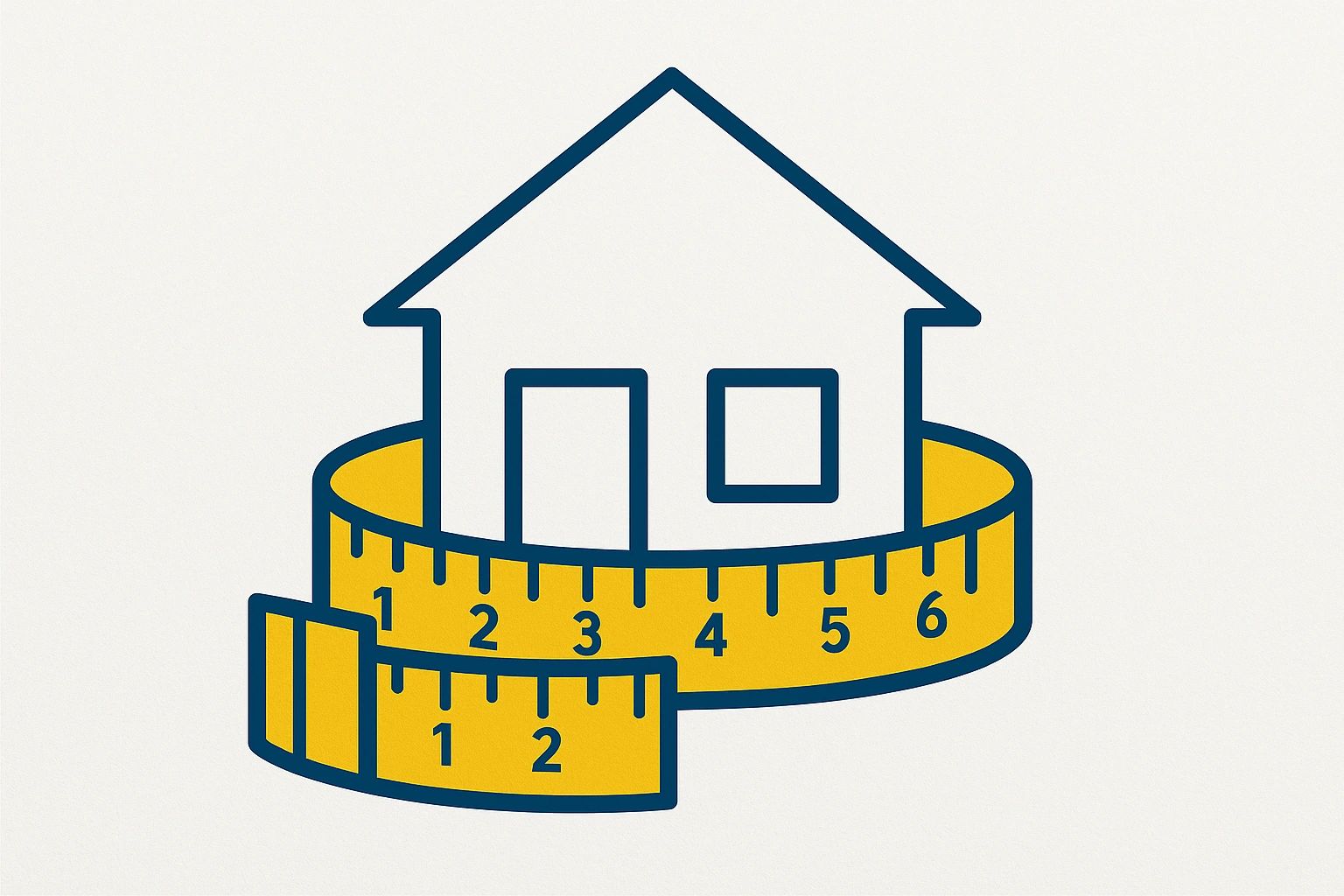
- Measure the property yourself using the NCREC’s Residential Square Footage Guidelines, or
- Rely on a trusted, reliable source, such as a licensed appraiser.
These methods ensure the data you provide to clients is accurate and defensible.
Handling Unpermitted Space
Not all square footage is created equal. If a property has finished areas that were never permitted — like a basement or attic conversion — you must disclose those spaces separately. They cannot be lumped in with the home’s heated living area.
Why It Matters
Accurate square footage isn’t just about compliance with NCREC rules. It protects:
- Buyers, by giving them confidence they’re getting what they pay for.
- Sellers, by avoiding disputes at or after closing.
- Brokers, by reducing the risk of complaints, liability, or disciplinary action.
The Bottom Line
👉 Square footage is too important to guess. Don’t rely on tax records. Don’t trust blueprints alone. Measure it yourself or use a reliable source — and always disclose unpermitted space separately.
That way, your clients get the facts, and you stay compliant.