🧯🔥 BIC TIP #1086 — Fire & Flood Damage
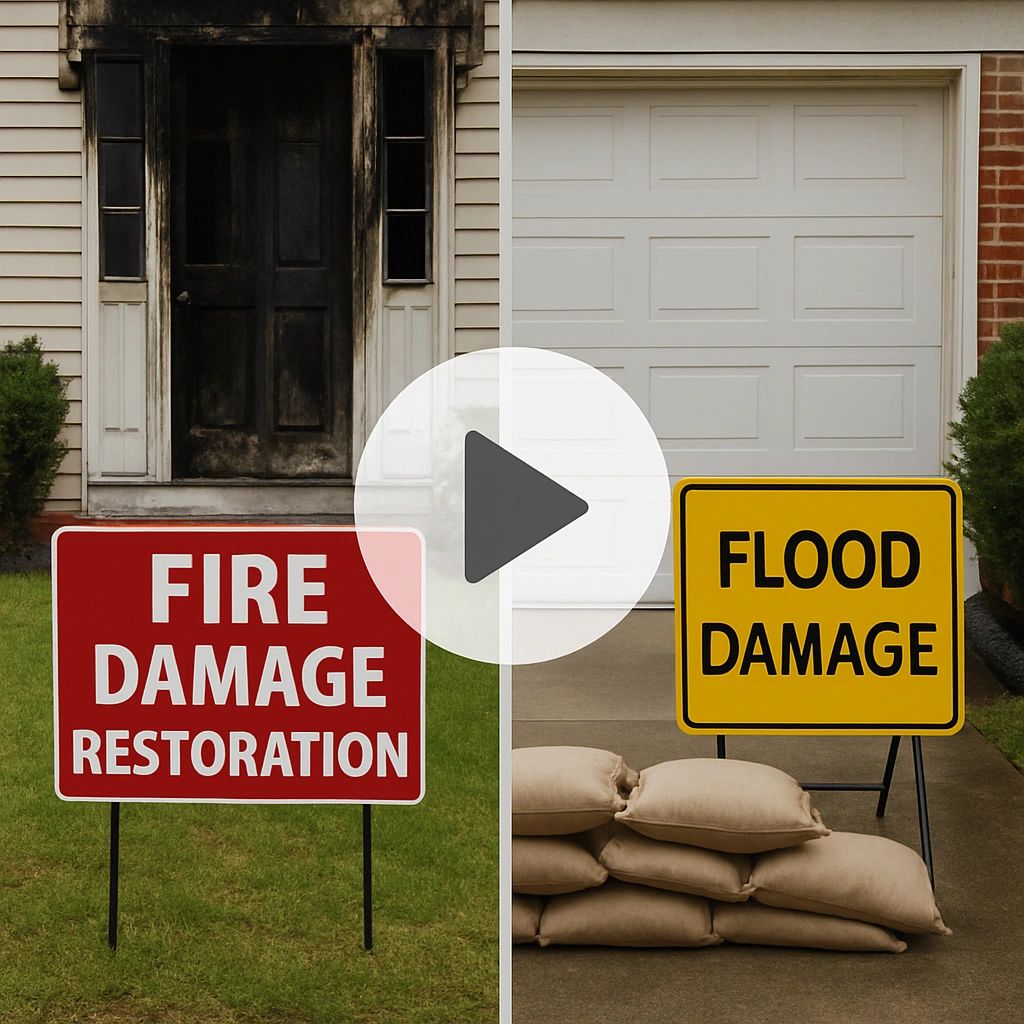
When it comes to protecting consumers in real estate, one of the most overlooked—but potentially devastating—issues is fire and flood damage. As brokers, it is our duty to ensure our clients know how to recognize risk, ask the right questions, and guide them toward safe, informed decisions.
North Carolina’s diverse landscape brings a mix of fire-prone rural areas, older urban housing stock, and flood-exposed coastal and riverfront communities. Whether you are selling a mountain cabin or a coastal cottage, damage from fire and water is a real-world liability—and disclosure is not optional.
🏚️ The Law: Material Facts Must Be Disclosed
In North Carolina, fire or flood damage—past or present—may be considered a material fact if it affects the property’s value, structural integrity, safety, or desirability. If the listing broker knows of damage or repairs, even if the seller chooses not to disclose it, the broker must disclose.
Failure to do so can lead to:
- Disciplinary action by the NCREC
- Civil liability for fraud or misrepresentation
- Loss of reputation and credibility
“I didn’t know” is not a defense if a competent broker should have known or should have reasonably been able to discover.
💧 What Brokers Should Watch For
Fire and flood damage is not always obvious. Brokers should look for red flags such as:
🔥 Prior Fire Damage Signs
- Charred framing in attic or crawlspace
- Smoke residue or heat-warped materials
- Repaired roof decking or scorched rafters
- Patchy drywall or replaced sections in kitchens/garage
💦 Prior Flood/Water Damage Signs
- Staining or discoloration on walls/floors/baseboards
- Musty odors (especially in basements & crawlspaces)
- Efflorescence on foundation blocks
- Warped floors or swollen trim
- Newly installed vapor barriers or sump pumps (ask why)
When in doubt? Ask, document, and disclose.
🧾 Documentation Is Your Defense
Always encourage sellers and buyers to provide or request documentation, including:
✅ Insurance claim records
✅ Contractor repair invoices
✅ Structural or home inspection reports
✅ Engineer or moisture remediation certifications
Documentation builds confidence — and protects you if questions arise after closing.
🌊 Don’t Forget Flood Zones & Insurance
Even if a home has not flooded before, flood-zone changes and climate events can alter risk.
Brokers should educate clients on:
- FEMA flood maps
- Lender requirements
- Cost and availability of flood insurance
- Limitations of standard homeowners policies
Remember, standard homeowner insurance DOES NOT cover flooding from rising water.
Guide them to resources – do not give insurance advice.
Fire and flood damage is not just a seller disclosure issue — it is a broker competency and consumer protection issue.
Our job is to:
- Identify possible damage
- Ask the right questions
- Guide clients to qualified experts
- Disclose what we know and what we reasonably should know
Your vigilance today protects your clients — and your license — tomorrow.